
Climate & Sustainability
Retail leaders are advancing climate and sustainability solutions while working with policymakers to develop balanced environmental policies that reduce impact, strengthen supply chains, and support economic growth.

RILA advances environmental sustainability across the retail industry by promoting responsible sourcing, waste reduction, and climate-conscious business practices. We work with retailers and policymakers to support practical environmental policies that drive sustainable retail operations.
Key initiatives advancing environmental responsibility and sustainable retail operations.
Retail leaders are advancing climate and sustainability solutions while working with policymakers to develop balanced environmental policies that reduce impact, strengthen supply chains, and support economic growth.

Insights, research, and case studies demonstrating how sustainability initiatives can strengthen financial performance, attract investment, and create long-term value for retailers.
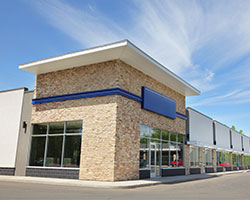
Tools and case studies that help retailers and property owners collaborate on energy efficiency and sustainability initiatives in leased retail locations.
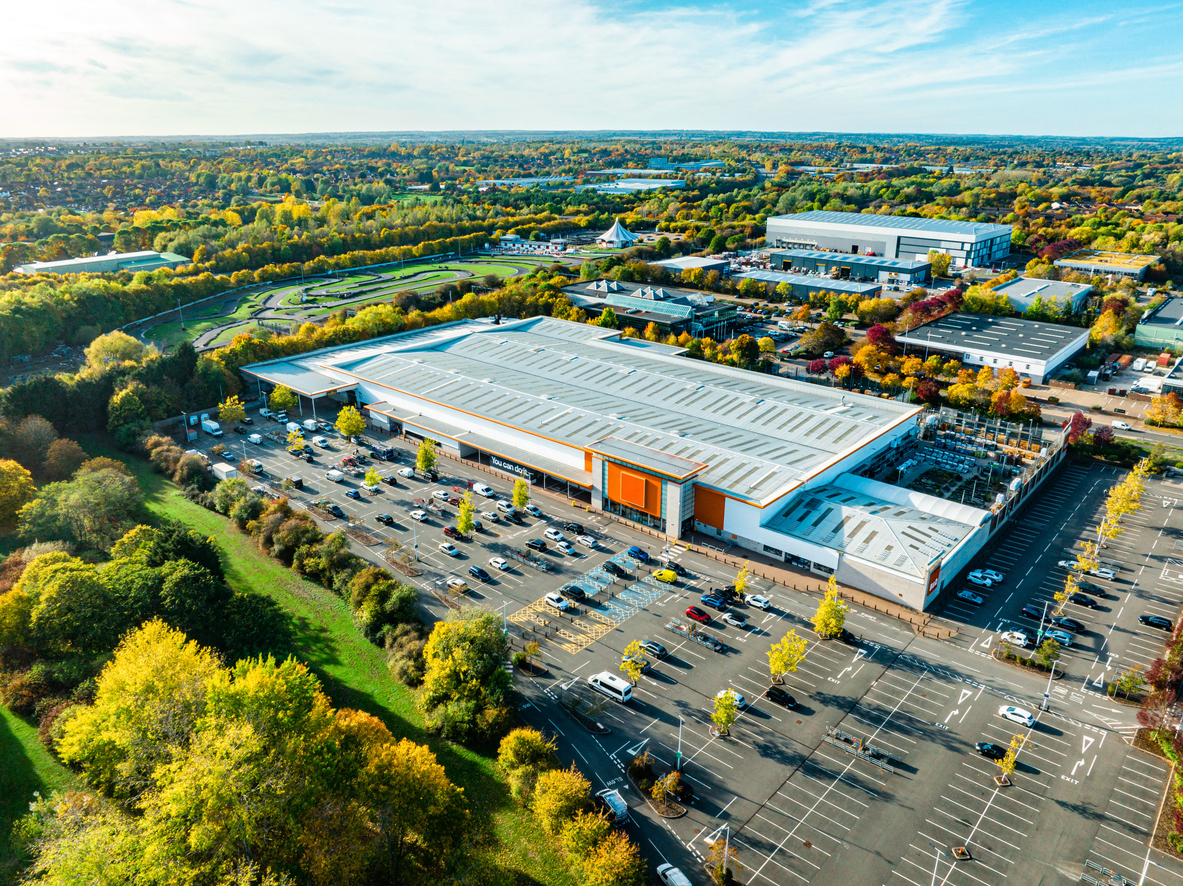
Research, case studies, and tools designed to help retailers overcome financing barriers and implement energy efficiency and sustainability projects.

Resources and insights to help retailers evaluate EV charging infrastructure, business models, and implementation strategies.
RILA’s sustainability committees bring together retail leaders to address environmental responsibility and sustainable business practices. Members collaborate on emerging standards, share best practices, and advance solutions that support responsible retail operations.
Events, calls, and webinars for Retail Industry Leaders Association (RILA) member committees and councils. Non-members interested in joining can contact our membership team.
Retailers support policies that advance free and fair trade, strengthen supply chain resilience, and promote open, competitive markets that benefit consumers and the broader economy.
Retailers invest in people through workforce innovation, career development, and policies that expand opportunity for workers while strengthening communities across the country.
Retailers support policies that strengthen product safety, protect consumer privacy, and promote responsible environmental stewardship across the retail industry.
RILA advances policies that strengthen communities, support public safety, and promote responsible environmental stewardship while helping retailers contribute to local economic growth.
Through the Retail Litigation Center, Retail Compliance Center, and Retail Communities Foundation, RILA advances compliance, legal advocacy, and community impact across the retail industry.