International Trade
Retailers depend on global trade to keep products affordable and supply chains resilient. Learn how RILA works with policymakers to support fair trade policies, open markets, and global competitiveness for the retail industry.

Explore the key challenges shaping modern retail supply chains, including global trade disruptions, logistics constraints, policy impacts, and emerging technologies transforming retail fulfillment.
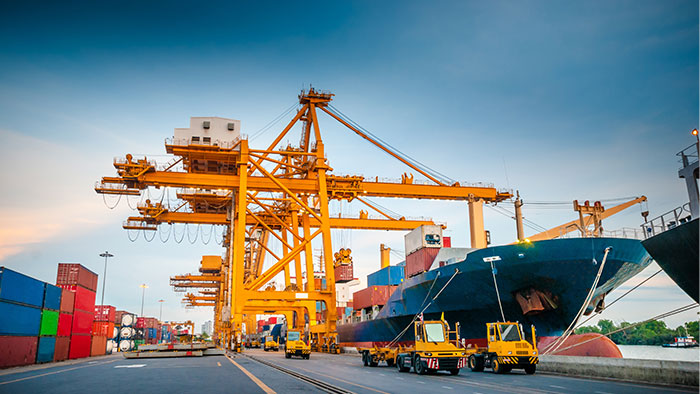
Retail supply chains have become increasingly complex as global trade dynamics, evolving consumer expectations, and rapid technological innovation reshape how products move from manufacturers to store shelves and customers’ homes.
Retailers operate highly interconnected global networks that span sourcing, transportation, distribution, and fulfillment. These systems must remain resilient in the face of disruptions ranging from geopolitical tensions and trade policy shifts to port congestion, labor shortages, and fluctuating consumer demand.
RILA works with retailers, policymakers, and industry partners to address these challenges by advancing policies that support efficient logistics, modern infrastructure, and resilient global trade systems.
Through research, advocacy, and industry collaboration, RILA helps retailers navigate disruption while building the next generation of retail logistics and fulfillment networks.
Retail supply chain leaders are managing a range of structural challenges that influence the cost, reliability, and efficiency of global commerce.
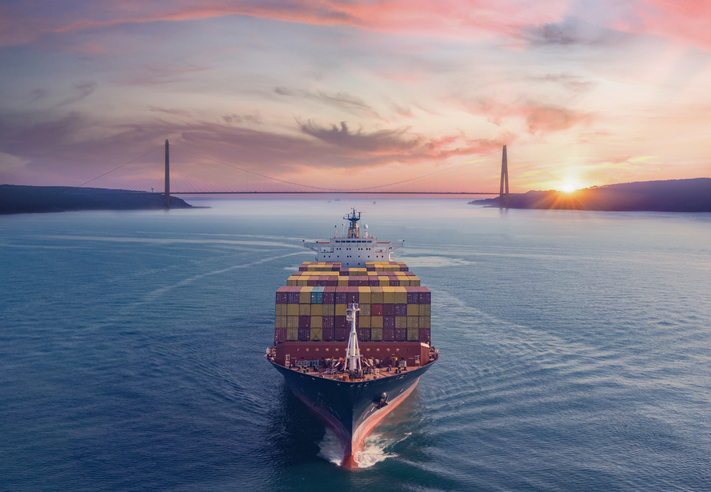
Government policies can significantly influence how retailers source, move, and deliver products. Learn how the International Emergency Economic Powers Act (IEEPA) can impact global supply chains, trade flows, and product availability — and how RILA works to ensure policymakers consider the effects on retailers and consumers.
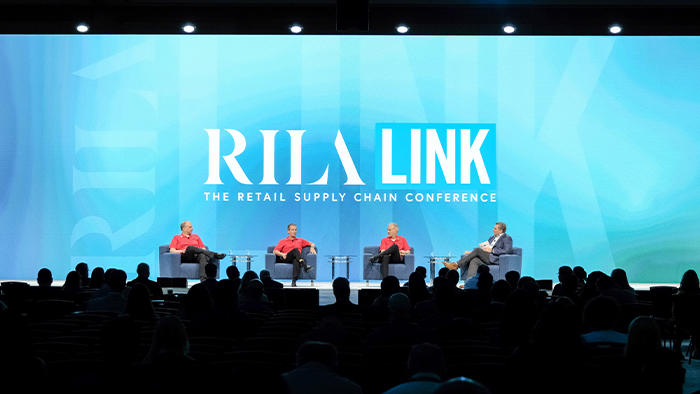
Retail supply chain leaders are navigating a rapidly evolving logistics landscape shaped by global disruption, technological innovation, and shifting consumer expectations. The Retail Supply Chain Conference brings together senior leaders from the world’s top retailers and consumer brands to share strategies, address emerging challenges, and explore solutions that strengthen supply chain resilience.
Public policy plays a critical role in shaping the efficiency and resilience of retail supply chains. RILA works with policymakers to support trade policies, transportation infrastructure investments, and regulatory frameworks that allow goods to move efficiently and cost-effectively.
Through partnerships with industry coalitions and government stakeholders, RILA advocates for policies that strengthen supply chain resilience while protecting consumers from unnecessary cost increases.
RILA continues to work with retailers, policymakers, and industry stakeholders to help the industry navigate supply chain disruption while ensuring goods move efficiently across the global economy.
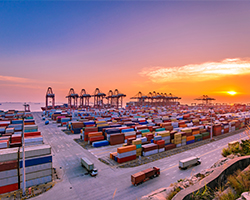
Retailers are the largest U.S. importers and rely on open global markets to deliver products efficiently and affordably. Strong trade relationships help retailers maintain reliable supply chains and support U.S. economic competitiveness.
Retailers depend on global trade to keep products affordable and supply chains resilient. Learn how RILA works with policymakers to support fair trade policies, open markets, and global competitiveness for the retail industry.
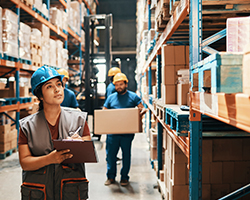
Retailers are committed to responsible sourcing and eliminating forced labor from global supply chains through stronger transparency, accountability, and international cooperation.

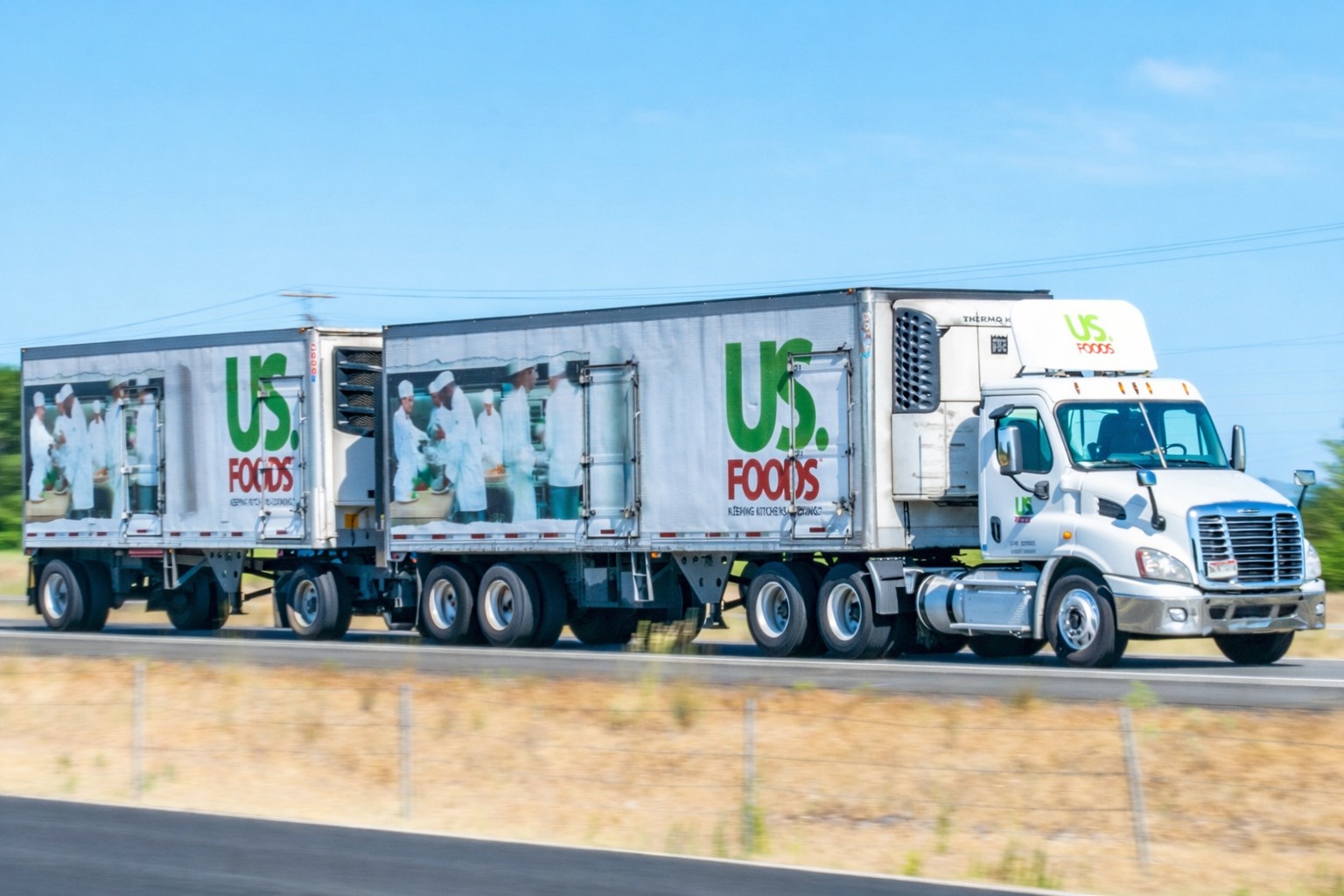
Retailers rely on efficient transportation networks to move goods and serve customers. RILA supports policies that modernize ports, railways, and highways to strengthen supply chains and support local economies.
Supply chains are the backbone of the retail industry. Every product on a store shelf or delivered to a customer’s doorstep depends on a complex network of sourcing, transportation, distribution, and fulfillment operations.
When these systems function efficiently, retailers can deliver products to consumers quickly and at competitive prices. When disruptions occur, the impacts ripple across the entire retail ecosystem — affecting product availability, operational costs, and the customer experience.
By collaborating with policymakers, industry partners, and technology innovators, retailers are building more resilient supply chains that can adapt to disruptions while continuing to meet the needs of modern consumers.