Transportation and Infrastructure
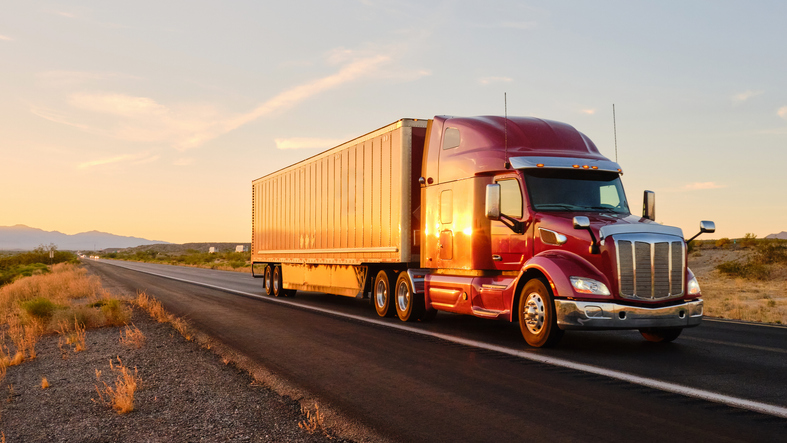
Retailers rely on efficient transportation networks to move goods and serve customers. RILA supports policies that modernize ports, railways, and highways to strengthen supply chains and support local economies.

Modern transportation networks are essential to keeping goods moving and supporting thriving communities. RILA advances policies that strengthen ports, railways, highways, and freight systems, enabling retailers to deliver products efficiently, reduce supply chain disruptions, and support economic growth nationwide.

Retail supply chains, which support millions of American jobs, are continuing to recover from the major disruptions over the last few years. A functioning supply chain drives economic productivity and growth, lifts communities, supplies consumers with goods, and makes our economy work for everyone
RILA advocated for bipartisan legislation to increase funding for ports, rail, and roads, as well as legislation to expand the Federal Maritime Commission's (FMC) authority. Both laws will help modernize aging infrastructure and ensure an efficient, competitive supply chain.
It is imperative that the government works with the private sector to tackle some of the most enduring issues in the nation’s supply chain - the ability to share critical data for the uninterrupted flow of goods, measure freight fluidity throughout the nation’s transportation networks, and ensure labor challenges at supply chain hubs are quickly resolved. Retailers and their workers suffer from these inefficiencies: outdated infrastructure, a lack of modern automation, and the absence of sound, long-term planning informed by major infrastructure users.
RILA will work closely with the FMC, the administration, and Congress to expedite priority projects, ensure proper accountability, and help keep our global supply chain resilient and efficient.
Explore additional policy priorities within the Retail Works for All of Us framework shaping innovation, opportunity, and economic growth across the retail industry.
Retailers rely on efficient transportation networks to move goods and serve customers. RILA supports policies that modernize ports, railways, and highways to strengthen supply chains and support local economies.
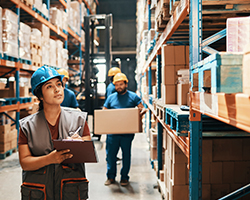
Retailers are committed to responsible sourcing and eliminating forced labor from global supply chains through stronger transparency, accountability, and international cooperation.
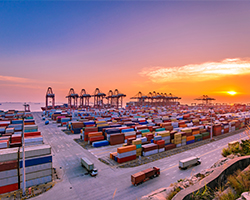
Retailers depend on global trade to keep products affordable and supply chains resilient. Learn how RILA works with policymakers to support fair trade policies, open markets, and global competitiveness for the retail industry.