Press Release

A potential U.S. diesel export ban could reshape fuel, transportation and supply chain costs, creating uncertainty for retailers and consumers.
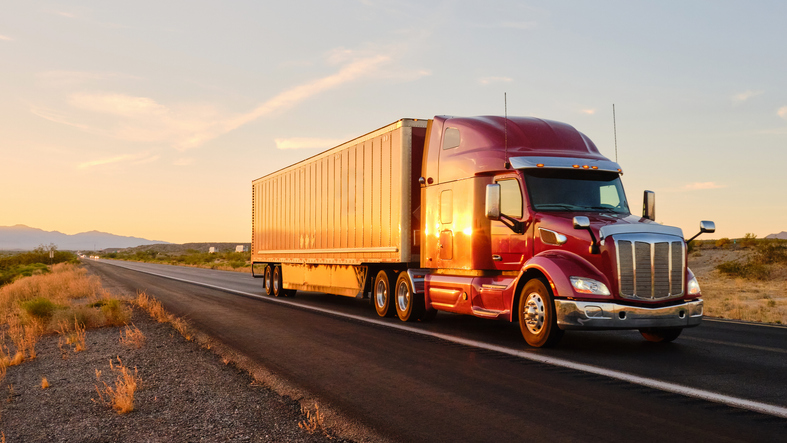
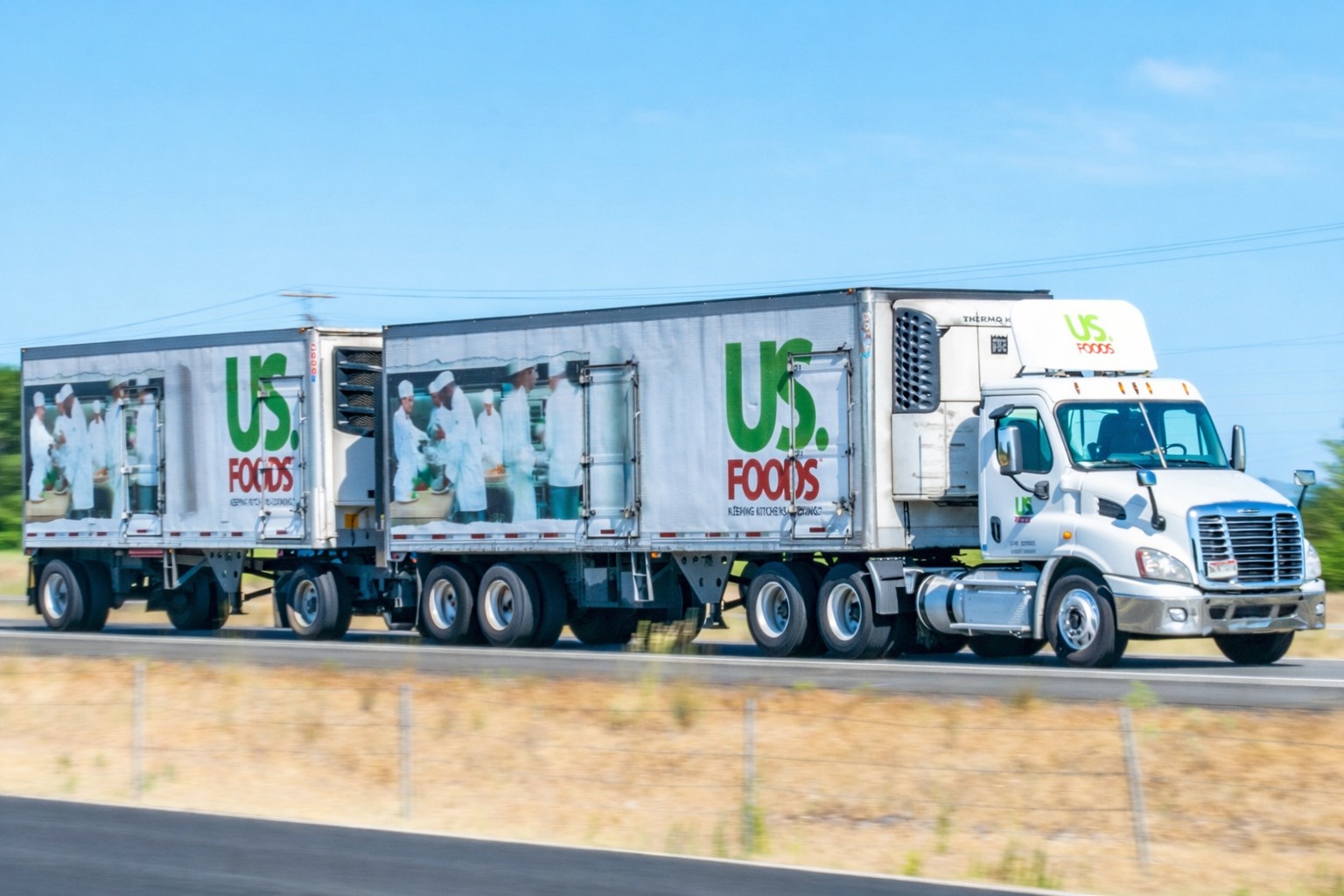
Diesel fuel is a critical component of the U.S. retail supply chain, powering the trucks, trains, and other equipment that move merchandise from farms, factories, ports, and distribution centers to stores and consumers. As policymakers consider potential restrictions on U.S. diesel exports to address domestic fuel prices driven by the war in Iran, it is important to note the risk of economic backlash that could exacerbate existing pressures on retailers, including tariffs. Retailers and consumers don’t need another round of uncertainty injected into the supply chain, including the risk that an export ban could raise diesel prices and drive consumer costs higher.
While an export ban could increase the amount of diesel available for domestic use and potentially lower fuel prices in the short run, the economic ripples are unlikely to stop there. Several factors could affect long-term pricing, including the duration of the ban, regional supply conditions, and how quickly changes in fuel prices translate into lower overall transportation costs.
The most immediate potential benefit of a diesel export ban would be increased domestic fuel availability. Diesel prices are currently at record highs, up more than 70% from one year ago. These extreme increases are affecting every business: farmers, who use diesel to power farm equipment and are currently shipping fall harvests; U.S. manufacturers; and retailers, which are currently transporting fall and holiday merchandise.
The U.S. does export a significant amount of diesel. By keeping more U.S.-produced diesel within the country, domestic diesel prices could fall, particularly in parts of the country that could see a flood of supply, such as the Gulf Coast and Midwest. For retailers, lower diesel prices could translate into reduced transportation expenses across their domestic supply chains. However, many retailers pay fuel surcharges in contracts with trucking and rail carriers, meaning there is often a lag before lower diesel prices translate into reduced costs. Many of those surcharges are benchmarked to national averages, meaning regional drops in prices may not provide relief. If retailers are unsure whether lower prices will last, it becomes more difficult to plan transportation and supply chain operations.
Transportation costs are just one of the many inputs that go into a retailer’s calculation of an item’s price to shoppers. Supply chain and logistics costs typically make up 10% to 30% of an item’s price on the shelf.
Retailers have built resilient supply chains; however, it is challenging to plan effectively against an uncertain policy backdrop. Key details of a proposed diesel export ban remain in question.
Perhaps most critical is the possible length of a ban. A short-term ban lasting several weeks could temporarily increase domestic diesel supplies and provide some price relief. However, immediate savings may be limited because of the nature of fuel surcharges in contracts. A brief decline in diesel prices could also be offset by subsequent price increases once export restrictions expire. And some parts of the nation, like the East Coast, could receive no relief because the region relies on diesel imports in addition to domestic production.
A longer ban lasting several months could create more significant challenges. U.S. refineries rely on export markets to sell diesel that exceeds domestic demand, particularly along the Gulf Coast. Petroleum industry analysts have warned that these effects could ultimately undermine the domestic fuel price relief an export ban is intended to provide.
Furthermore, a prolonged export ban could disrupt international supply chains, driving up diesel costs internationally. The global diesel market is already reeling, and this would inject more disruption. For retailers sourcing goods overseas, global cost increases could offset some of the possible domestic transportation savings associated with lower diesel prices. Retailers could also face increased uncertainty when negotiating freight contracts, planning inventory movements, and forecasting transportation expenses.
The uncertainty surrounding key details of a possible diesel export ban makes it difficult to assess the potential impacts on retailers and shoppers and adds further instability to an already challenging supply chain landscape.
For retailers, the key consideration is not simply whether diesel prices decline in the short term, but whether those reductions translate into sustained transportation savings without creating new costs elsewhere in their supply chains. Ultimately, the impact on American shoppers would depend on how these competing effects influence the total cost of getting merchandise onto store shelves and into consumers' hands.