Press Release

New Circana research finds three in four consumers say loyalty programs offer a fair exchange of data for savings and benefits.
Affordability is the top concern for American households, and new research commissioned by the Retail Industry Leaders Association (RILA) and conducted by global market research leader Circana finds consumers are increasingly relying on retail loyalty programs to stretch their budgets and make essential purchases.
The Consumer Value of Retail Loyalty Programs: How Loyalty Helps American Households Navigate Affordability finds that 74% of consumers consider retail affordability their top concern. At the same time, 85% say loyalty programs help them get more value from shopping they were already planning to do, and the average household saves approximately $1,500 annually through retail loyalty and discount programs.
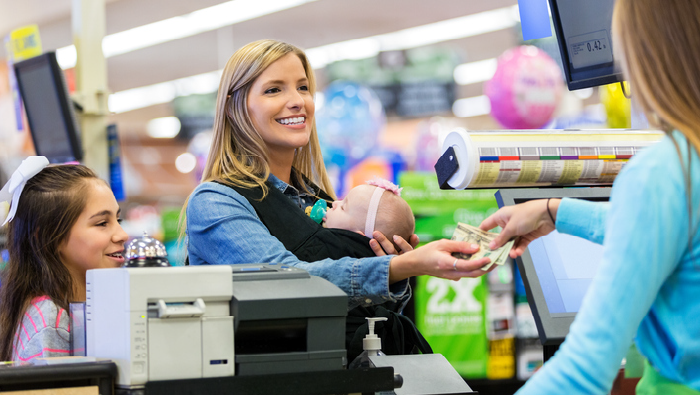
The benefits are especially important for families: 78% of households with children say loyalty programs help them stay within their budget.
“Consumers are being increasingly deliberate about where and how they spend, and loyalty programs have become an important tool for households looking to maximize the value of those dollars,” said Kiara Barrett, Global Head of Thought Leadership at Circana. “What stands out in this research is that consumers understand how these programs work and see a clear benefit from participating. They are making an intentional value exchange that helps them manage everyday expenses.”
The research also finds consumers are clear-eyed about the role data plays in delivering loyalty benefits. Three in four consumers (75%) say loyalty programs generally give shoppers a fair exchange of value, compared with 25% who say shoppers give up more information than the benefits are worth.
“This study puts real numbers behind something retailers see every day: consumers use loyalty programs and seek out deals and discounts because they deliver meaningful savings and value,” said RILA President Brian Dodge. “At a time when affordability is front and center for families, saving roughly $1,500 a year can make a real difference. These findings should be an important part of any conversation about how loyalty programs and other data-driven discounts work and the value they provide consumers.”
Key findings include:
###
Media Contact: press@rila.org
RILA is the U.S. trade association for leading retailers. We convene decision-makers, advocate for the industry, and promote operational excellence and innovation. Our aim is to elevate a dynamic industry by transforming the environment in which retailers operate.
RILA members include more than 200 retailers, product manufacturers, and service suppliers, which together account for more than $2.7 trillion in annual sales, millions of American jobs, and hundreds of thousands of stores, manufacturing facilities, and distribution centers domestically and abroad.