Blog Post

A Supreme Court VPPA case could affect retailers using website videos. Learn why the Retail Litigation Center urges a narrow reading of the law.
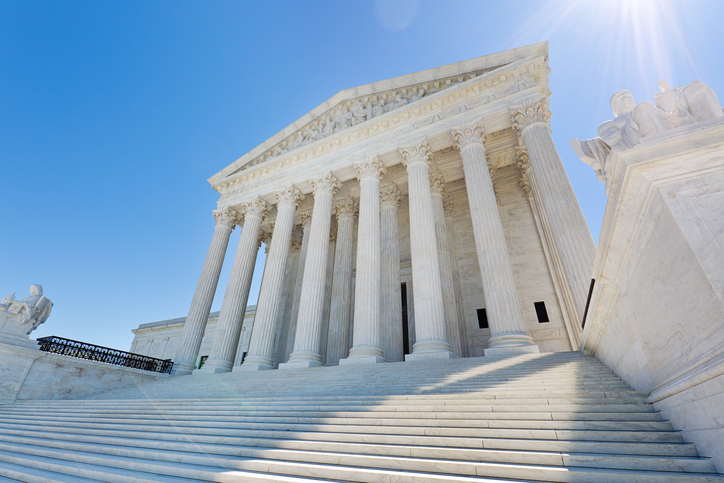
The Supreme Court is considering a case that could have major consequences for retailers that use ordinary website video content to serve customers. In Salazar v. Paramount Global, the question is who qualifies as a “consumer” under the Video Privacy Protection Act (VPPA), a 1988 law enacted to protect the privacy of video rental records. The Retail Litigation Center filed an amicus brief in support of the respondent because the answer matters far beyond the media industry.
The legal issue is straightforward. The VPPA applies to a “consumer,” defined as a renter, purchaser, or subscriber of goods or services from a video tape service provider. The RLC’s brief argues a common-sense interpretation of the term—that a “consumer” under the VPPA must be tied to audiovisual materials. In other words, buying or subscribing to something unrelated to video content should not be enough to trigger liability under the statute.
That question is especially important for retailers because video content is now a routine part of the shopping experience, especially given how many retailers operate in the omni-channel space. Retail websites regularly include product demonstrations, how-to videos, and brand storytelling that customers can access for free, often without creating an account, making a purchase, or subscribing to anything. Simply buying everyday retail goods should not turn someone into a “consumer” under a video privacy law just because that shopper later visits a website that includes any video content.
The brief also highlights the practical consequences. It points to a recent surge in VPPA lawsuits, including many cases against retailers and ecommerce businesses, often based on freely available website videos and common third-party website tools. Expanding the definition of “consumer” would invite more abusive litigation and increase settlement pressure on businesses even for meritless claims.
The RLC’s message to the Court is clear: the VPPA should be interpreted as written, not expanded into a broad internet privacy statute. A sensible limit on who counts as a “consumer” is essential to protect retailers from litigation untethered to the law’s original purpose.