
Press Release

Tax policy shapes retail investment, job creation, and economic growth. Why preserving pro-growth tax provisions matters for retailers and communities.
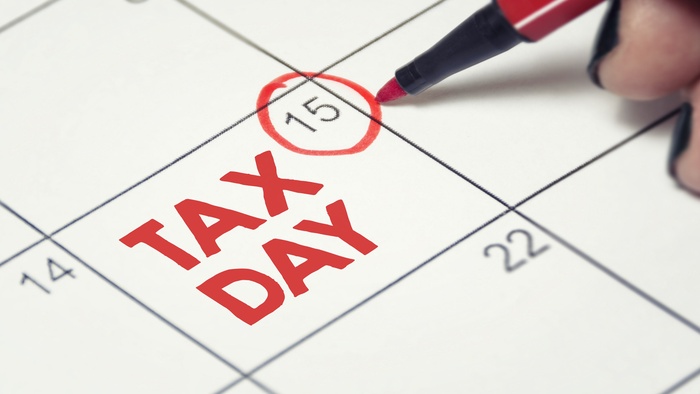
As Americans file their taxes, April 15 serves as an important reminder: tax policy shapes far more than what appears on an individual return. It also helps determine whether businesses can invest, whether employers can create jobs, and whether the economy is positioned for long-term growth.
That is why last year’s passage of the Working Families Tax Cuts bill was so important to retailers and the consumers they serve.
For the retail industry, pro-growth tax policy is not theoretical. It has a direct effect on how companies invest in their operations, support their workforce, and serve communities across the country. Retailers are among the nation’s full corporate tax rate payers, which means the tax code has an immediate and meaningful impact on their ability to compete and grow.
Maintaining a globally competitive corporate tax rate and preserving key business deductions are essential priorities for retailers operating in an increasingly competitive and fast-changing economy. The case for doing so is simple: proven, pro-growth tax policy helps fuel investment, innovation, and job creation.
Last year’s Working Families Tax Cuts bill preserved policies that have already demonstrated their value. For an industry that operates on thin margins, employs millions of Americans, and serves families in every community in the country, that matters.
When retailers have the certainty and resources to invest, the benefits extend well beyond the business itself. Companies can modernize stores, strengthen supply chains, expand technology investments, and better position themselves to meet evolving consumer expectations. They can make long-term commitments to their employees and the communities they serve. And they can continue contributing to a stronger, more resilient U.S. economy.
That is one reason preserving a 21% corporate tax rate was so critical. A globally competitive corporate tax rate helps ensure that American businesses are not put at a disadvantage and gives retailers the ability to reinvest in growth. That growth supports workers, local communities, and the broader consumer economy. It also reinforces something policymakers should never lose sight of: when the tax code encourages investment, the effects are felt across the economy.