
Press Release

USPS’s proposed fuel surcharge would mark a first for the Postal Service, with ripple effects across retail shipping costs, pricing strategies, and congressional oversight.
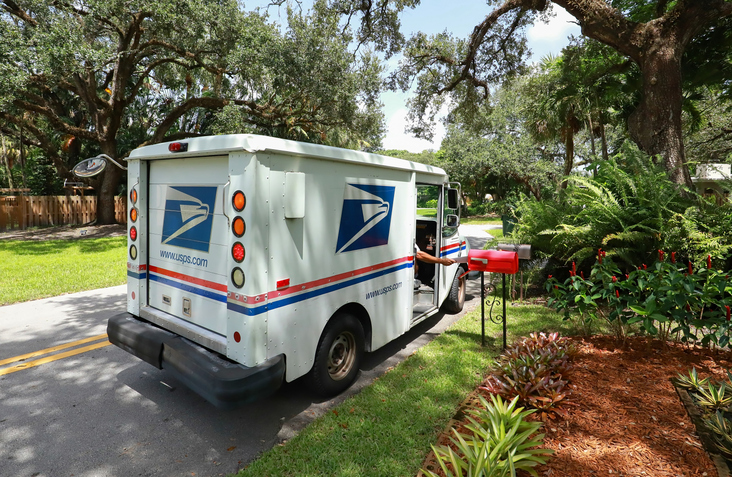
The U.S. Postal Service’s plan to impose an 8% fuel surcharge on parcel shipments marks a significant policy inflection point for the nation’s largest public logistics network. While framed as a temporary response to fuel price volatility driven by the Iran war, the proposal carries broader implications for postal regulation, retail costs, and congressional oversight of USPS’s financial model.
If approved by the Postal Regulatory Commission (PRC), the surcharge would take effect April 26, 2026, and remain in place through January 17, 2027, applying to Priority Mail Express, Priority Mail, USPS Ground Advantage, and Parcel Select. First-class Mail would be unaffected.
This would be the first fuel surcharge in USPS history, placing the Postal Service in closer alignment with private carriers that rely on dynamically indexed fuel fees to manage transportation risk. UPS and FedEx currently apply fuel surcharges ranging from roughly 21% to more than 30% depending on service type, with multiple increases already implemented in 2026.
USPS leadership argue the proposed surcharge is comparatively modest and necessary to comply with congressional requirements that competitive products cover their attributable costs. In its PRC filing, USPS emphasized that the surcharge is designed as a time limited adjustment to address rapidly changing market conditions rather than a permanent rate increase.
However, the agency also explicitly stated that the surcharge could help it transition toward a standing surcharge mechanism for competitive products. That signal is drawing careful attention from regulators, lawmakers, and industry stakeholders alike.
The immediate driver of the proposal is energy market disruption stemming from the Iran war. Since late February, oil prices have risen more than 40%, with tanker traffic through the Strait of Hormuz — which typically handles roughly 20% of global oil flows — significantly constrained.
In the U.S., diesel prices climbed above $5.30 per gallon in March, up more than $1.60 in less than a month. USPS operates one of the country’s largest civilian vehicle fleets, relying heavily on gasoline-powered delivery vehicles and diesel-powered long-haul trucks. Transportation costs, though historically a relatively small share of USPS’s operating expenses, have become increasingly volatile.
While the surcharge applies directly to postal rates, the downstream effects will be felt most acutely by retailers and ecommerce merchants.
Many retailers have structured pricing, free shipping thresholds, and promotional strategies around USPS’s historically stable rate environment. An 8% surcharge — even a temporary one — will:
These dynamics arrive amid persistent inflation sensitivity among consumers and heightened scrutiny of cost-of-living pressures by lawmakers. Retailers operating on thin margins may have limited ability to absorb additional shipping costs without adjusting pricing.
The PRC’s review of the surcharge request will be closely watched on Capitol Hill. USPS’s financial condition provides important context. The agency reported a $9 billion loss in its most recent fiscal year, and Postmaster General David Steiner has warned Congress that USPS could run out of cash within a year without additional reforms or borrowing authority.
Fuel surcharges offer a near-term stopgap, but they do not address structural challenges such as declining mail volume, labor costs, pension obligations, and long-term capital needs.
The proposed USPS fuel surcharge is more than a routine pricing adjustment; it is a meaningful policy signal. It highlights the growing pressures on the Postal Service’s operating model and raises fundamental questions about how a public service adapts to cost volatility while maintaining affordability and predictability for users.
For retailers, the proposal underscores the importance of early and sustained engagement with policymakers on shipping costs and broader postal reform. For policymakers, it serves as a reminder that postal pricing decisions carry broad economic implications across the retail and logistics ecosystem.