Press Release

Explore the business case for sustainability in retail, including financial performance insights, investor expectations, reporting frameworks, and case studies highlighting how sustainability initiatives drive long-term value.

Sustainability initiatives are increasingly recognized as a driver of business value. For retailers, investments in energy efficiency, responsible sourcing, supply chain improvements, and broader environmental and social initiatives can reduce costs, strengthen resilience, and build long-term customer and investor confidence.
In today’s consumer-driven economy, environmental and social performance is no longer separate from business strategy. Investors, customers, and employees increasingly expect companies to lead on issues that affect communities, supply chains, and the environment. These efforts can reduce risk exposure, strengthen loyalty, and create a competitive advantage.
RILA developed this page to help retail finance, sustainability, and leadership teams better understand the business case for corporate social responsibility and sustainability investments.
Creating Shareholder Value Through Sustainability
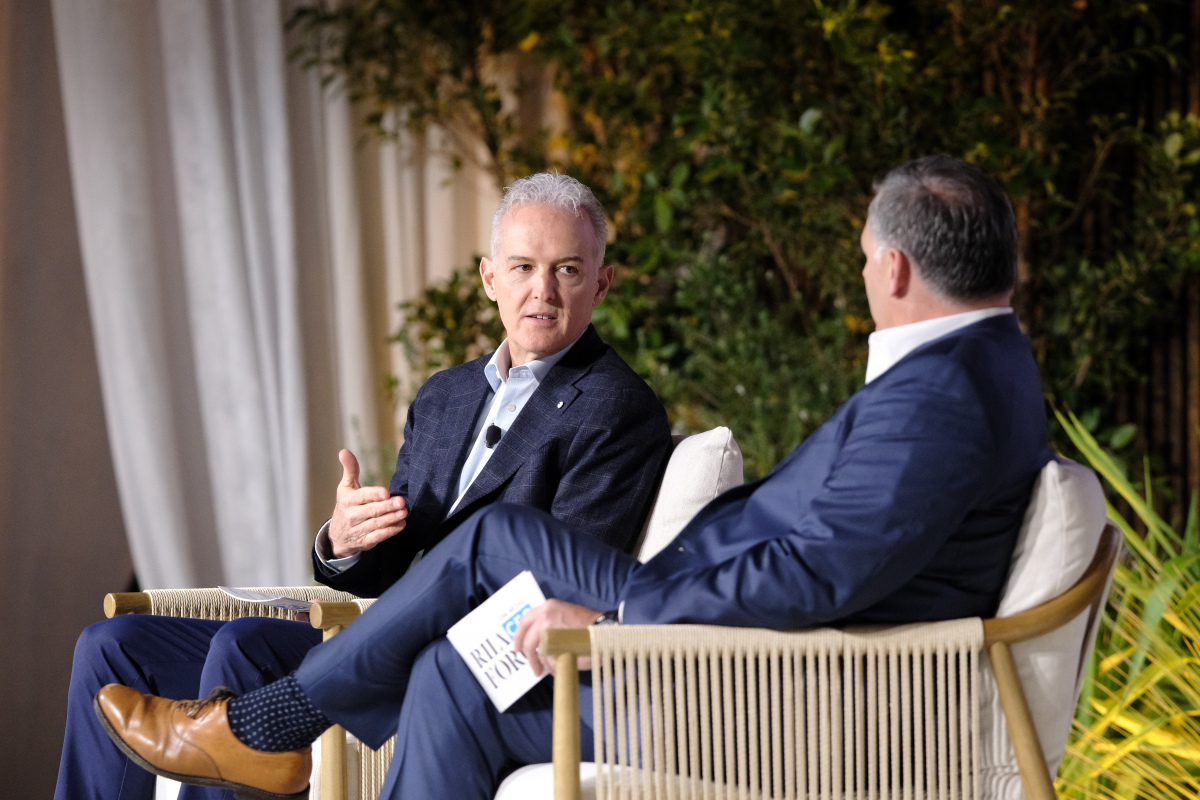
A featured leadership perspective from Nike CFO Andy Campion on the relationship between sustainability, innovation, and long-term business growth.
Across industries, environmental initiatives are proving their value to the bottom line. Sustainable supply chain and operating practices can reduce costs, improve efficiency, increase revenue, and strengthen brand value. RILA’s curated resources below highlight how leading companies are linking environmental strategy with financial performance.
Through RILA’s partnership with the U.S. Department of Energy, a series of case studies was developed to highlight the financial benefits of energy and sustainability programs across retail operations. These examples show how retailers are building the business case for sustainability investments and capturing measurable returns.
This podcast from Accounting for Sustainability explores how companies can make sustainable business practices part of business as usual. Listen to the podcast.
Emerging consumer trends are creating new opportunities for retailers to connect sustainability and financial performance. Re-commerce, resale, and circular business models are opening new markets while responding to growing consumer demand for more sustainable products and business practices.
Investor expectations around sustainability and ESG continue to shape corporate strategy and reporting. Retailers increasingly need to understand how environmental and social performance affects investor priorities, board expectations, and access to capital.
Retailers also need practical tools for understanding how sustainability reporting frameworks apply to the industry. These resources help explain key disclosure and reporting standards relevant to retail companies.
The business case for sustainability extends beyond environmental performance. Research also shows that social impact, diversity, and purpose-led strategies can influence profitability, consumer behavior, and long-term value creation.
Retailers operate complex supply chains, extensive store networks, and energy-intensive logistics systems. As a result, sustainability initiatives can create significant opportunities to improve efficiency, reduce costs, and strengthen long-term business performance.
Across the industry, retailers are integrating sustainability into core business strategies to reduce operational risk, improve supply chain resilience, and respond to evolving consumer and investor expectations. From energy efficiency investments and responsible sourcing programs to circular retail models and transparent reporting frameworks, sustainability initiatives are increasingly tied to financial performance and long-term value creation.
By aligning environmental and social initiatives with financial strategy, retailers can unlock opportunities that benefit their businesses, customers, communities, and the broader economy.