Emergency Generator Fact Sheet
Overview of environmental and regulatory requirements for emergency generators used in retail facilities, including permitting considerations, air emissions regulations, and compliance requirements.

Concise guidance designed to help retailers understand and navigate evolving regulatory requirements across environmental compliance, product safety, packaging laws, and operational regulations.
Explore quick-reference resources covering key regulatory topics impacting retail operations. These fact sheets highlight important requirements, implementation timelines, and compliance considerations across federal and state regulations.
Overview of environmental and regulatory requirements for emergency generators used in retail facilities, including permitting considerations, air emissions regulations, and compliance requirements.

Summary of EPA pesticide registration, labeling requirements, and compliance considerations under FIFRA that impact retailers.
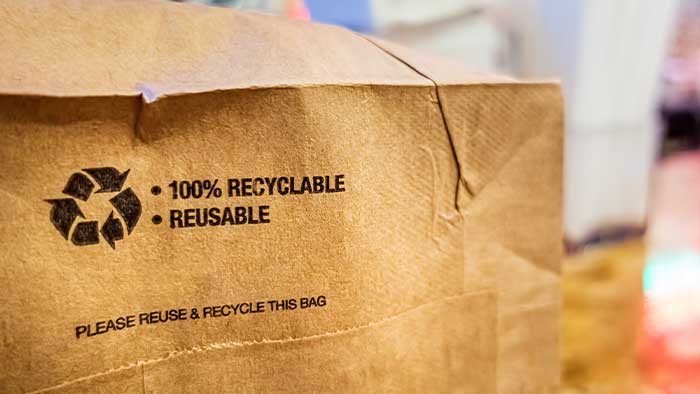
Summary of state laws requiring minimum recycled content levels for packaging materials, including plastic packaging, carryout bags, and trash bags used in retail operations.

Summary of state and local recycling mandates and landfill disposal bans affecting materials commonly generated in retail operations, including paper, plastic, metal, and glass.

Overview of state extended producer responsibility (EPR) laws for packaging and printed paper, including retailer obligations, producer responsibility organizations, and program implementation timelines.
Summary of how the Toxic Substances Control Act (TSCA) regulates chemicals in consumer products and the resulting compliance considerations for retailers and importers.

Comprehensive guide to state packaging extended producer responsibility (EPR) laws, including reporting requirements, covered materials, and compliance considerations for retailers.
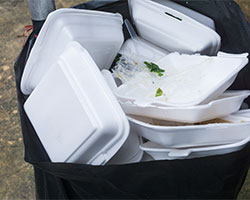
Summary of state-level regulations restricting single-use plastic packaging and disposable plastic products affecting retail operations across the United States.

This e-book summarizes state-specific approaches to chemical regulations, bans, restrictions, reporting, labeling, and disclosure requirements for consumer products in the United States.
Explore previously published fact sheets covering key regulatory and operational requirements impacting retail. These resources provide helpful context and foundational compliance insights.
Understand state “bottle bill” laws requiring refundable deposits on beverage containers to reduce litter and increase recycling. This resource outlines how deposit systems work and what retailers need to know.
A practical overview of California’s complex environmental regulatory framework, including key agencies, requirements, and enforcement trends impacting retail operations—plus guidance for navigating compliance.
An overview of California’s organics recycling requirements, including AB 1826 and SB 1383, outlining how retailers must reduce landfill waste, comply with local programs, and address evolving food waste and recycling mandates.
A practical overview of lithium battery risks and regulatory requirements, including transportation rules, safety hazards, and retailer responsibilities for compliance with federal, carrier, and international standards.
A high-level overview of state and local laws requiring businesses to divert organic waste from landfills, including recycling mandates, landfill bans, and compliance considerations for food waste and other organic materials.
A comprehensive overview of federal refrigerant regulations impacting retail operations, including EPA requirements for equipment maintenance, leak detection, technician certification, and recordkeeping under the Clean Air Act.
An overview of federal and state regulations limiting volatile organic compounds (VOCs) in consumer products, including compliance requirements, air quality impacts, and key considerations for retailers.
An overview of evolving state and federal regulations governing hydrofluorocarbons (HFCs), including phase-down requirements, product restrictions, and compliance obligations as retailers transition to lower-emission alternatives.