




RILA-NDAA-Hero-1920x700.jpg
NDAA-RILA-Logos.png

Combatting Retail Crime for Safer Communities

The National District Attorneys Association (NDAA) and Retail Industry Leaders Association (RILA) have formed a first-of-its-kind national partnership to combat retail crime. The launch of the national partnership follows a successful summit held on June 30, 2022, bringing together leading retailers and district attorneys’ offices from around the country to establish open lines of communication between prosecutors and retailers, identify common challenges, share information on repeat offenders, and work together to identify criminal networks targeting local retailers.

iStock-869367464.jpg
Store Walk Initiative

RILA, NDAA Drive Local Collaboration to Combat Retail Crime

RILA and the National District Attorneys Association (NDAA) Store Walk Initiative connects retailers with local prosecutors to take a unique approach to tackling organized retail crime, habitual theft, and their impact on communities.

RILA-NDAA-1300x550.jpg
About Us

Discover more on the Vibrant Communities Initiative

RILA & NDAA partnered to launch the Initiative to bring together district attorneys, police departments, social service organizations & other stakeholders to identify effective approaches for addressing organized retail crime, habitual theft, violence, vagrancy & blight in & around retail stores.

Take it from our Members
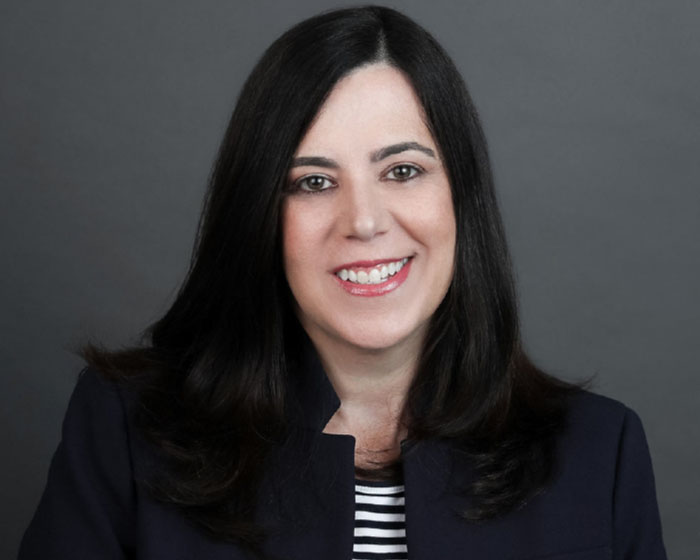
From the cohort meetings, I have learned about business models, fiscal calendars, in-store camera considerations, legal requirements from their corporate lawyers, current plagues, regional differences, and a lot of information that does make me a better prosecutor and a better representative in court of my retail partners.  I still have so much more to learn from these folks! 
Anna Winn
Deputy District Attorney - Regional Fraud Task Force

Get Informed About the New INFORM Consumers Act

The INFORM Consumers Act requires online marketplaces to implement major new initiatives to verify their third-party sellers and imposes significant liability for failing to take appropriate action against bad actors. The Federal Trade Commission and state enforcers are charged with enforcing the Act. Read RILA’s analysis of the INFORM Act as well as a short “cheat sheet” outline of the provisions.

Access Member-Only Resources

Are you a member? Log in to access our past webinars & member-only resources!

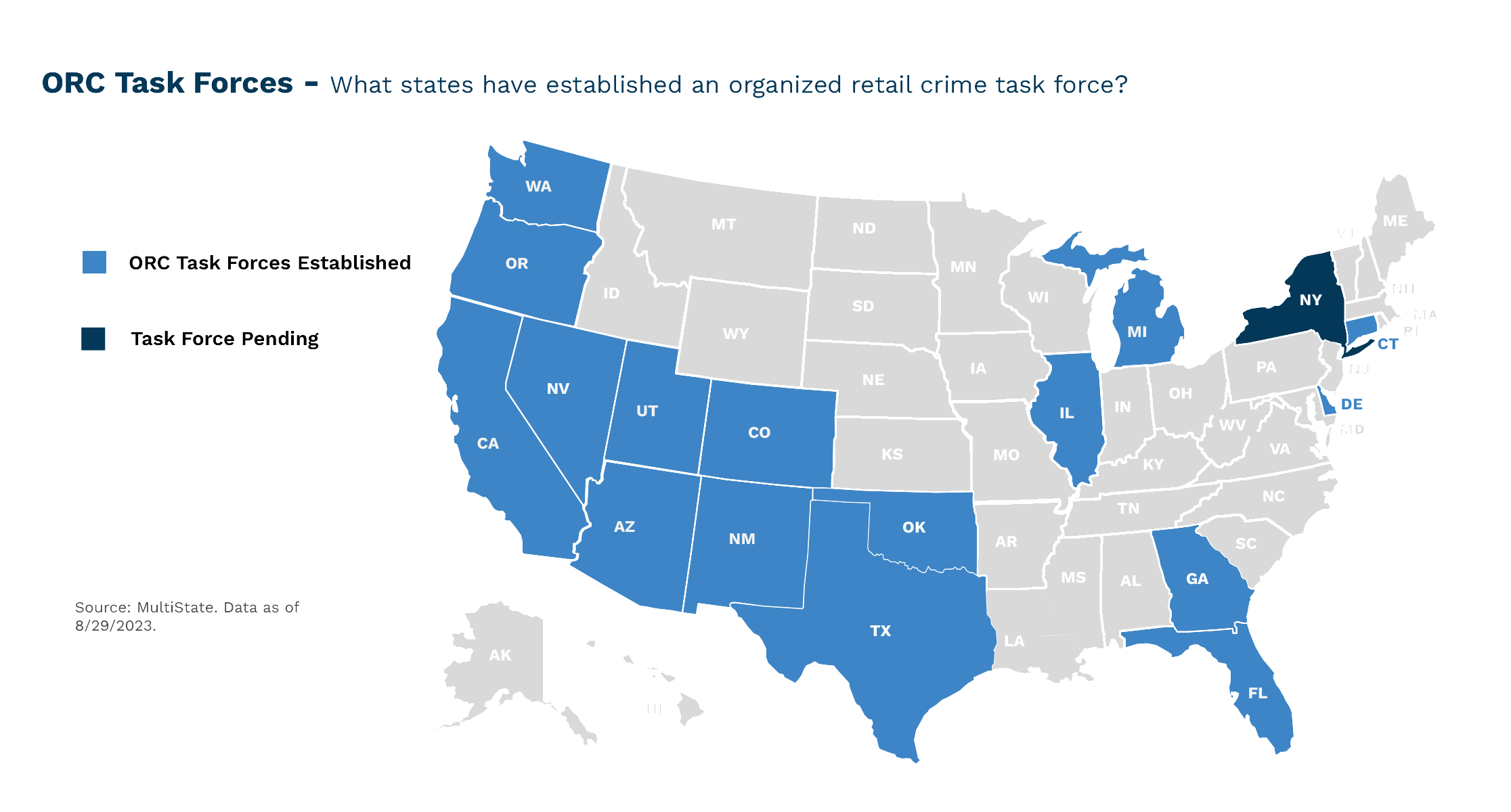
ORC-Task-Forces-–-2023-11-1

Vibrant Communities FAQ

Yes. An effective tool for preventing juvenile offenders from entering the criminal justice system as adults is early intervention. Vibrant Communities will test model programs directed at juvenile offenders, particularly those at highest risk of re-offending. Also, the initiative will leverage local schools to educate youth about the risks associated with committing retail crime and support services available to them.
District attorneys from across the country were invited to nominate their jurisdiction for a pilot community. The criteria for selecting pilot communities included:
  • density among RILA members, common designation among RILA members as high-risk area;
  • engaged District Attorney, integrated community and social services, reasonable expectation that an impact can be measured in one year;
  • supportive police chief and properly resourced police department, aligned statutory environment;
  • supportive mayor/city manager/local government and active Local business organization(s).
Based on these criteria and responses to follow-up questions, RILA and NDAA recommended to the APLC that Yolo County and King County serve as pilot communities. The APLC agreed with the recommendation.
Participating retailers are uniquely positioned to measure the impact on criminal activity in their stores in the pilot communities (e.g. recidivism rate by HIOs in pilot stores, frequency of other unlawful activity; theft-related losses). Additionally, a qualified researcher will be retained to identify key metrics, collect data related to those metrics and measure associated impacts.
The risk that a HIO will re-offend depends on various factors, including the nature of the criminal offense(s), the individual’s criminal history and personal circumstances (e.g. drug addicted, mental illness, unhoused, lacks job training, etc.). There is no “one size fits all” solution for mitigating recidivism across all HIOs. Rather, solutions must be tailored to the offenders’ situation and desire to rehabilitate.

For example, key stakeholders will collaborate to investigate and shut down local fences that recruit and employ habitual theft offenders. While diversion may be an appropriate resolution for the shoplifter/booster, the fence may face stiffer penalties - including incarceration – in an effort to deter future criminal conduct by that fence as well as others engaging in similar criminal activity.
All retailers with stores in or near pilot communities are encouraged to participate in the pilots, including designating a local AP leader to the Pilot Working Group. While there are expectations of companies participating in these pilots (see above), there is no financial commitment required.
There are two levels of participation available to retailers:
  • Executive Committee member (top decision-making body for the overall Vibrant Communities initiative, guiding strategy, focus, pace, etc.); and
  • Steering Committee member (provides input on initiative priorities and actions) Participation at the Executive Committee and Steering Committee levels will require an investment from retailers (and other stakeholders who participate).
Participation at the Executive Committee and Steering Committee levels will require an investment from retailers (and other stakeholders who participate).
The pilot is one piece of the Vibrant Communities initiative and will inform actions taken elsewhere. Some of those actions can start now with retailers sharing effective practices with the RILA/NDAA network. As the pilots progress, key learnings will be shared with the broader RILA membership as well as with NDAA members to replicate in communities across the country. Also, retailers are encouraged to actively participate in the parallel activities led by RILA and NDAA.
Vibrant Communities seeks to achieve 3 primary outcomes, specifically to reduce (1) recidivism among High Impact Habitual Offenders; (2) crime and other unlawful activity in/around retail stores; and (3)financial loss to retailers.

In some cases, like crimes of violence against retailer workers, or sophisticated criminal enterprises causing large-scale financial losses, incarceration is the only way to prevent a HIO from re-offending and to deter others from committing similar crimes. Vibrant communities will pursue prosecution of the worst offenders.

There are also HIOs whose propensity to engage in unlawful activity is fueled by underlying issues (e.g. drug addiction, mental illness, homelessness) and who, if provided targeted support services, can rehabilitate and live productive crime-free lives.

Vibrant Communities takes a rational, balanced and individualized approach to addressing recidivism among HIOs.

A High-Impact Habitual Offender (HIO) is an individual who causes significant financial loss to a retailer through criminal activity, persistently engages in unlawful activity in/around retail establishments, and/or poses a safety risk to employees and customers.

Examples of an HIO include a booster in an organized retail crime ring, a habitual shoplifter acting alone for profit (i.e. assumes dual role of shoplifter and fence), a fence that recruits and employs habitual offenders, an actor who has used or repeatedly threatened the use of violence against employees, or an individual who self-administers narcotics in a store or sets-up shelter in a store’s parking lot.
To ensure a successful pilot, participating retailers must commit to actively engaging with local stakeholders and executing on identified strategies. Participating retailers must operate stores within pilot (or adjoining) communities, be willing and able to share case data in a protected manner, designate a local AP team member to the pilot working group, be open to testing combinations of technology, and actively participate in cases post-arrest.
The goal is to return vibrancy to shopping districts that have been plagued by unprecedented increases in crime.
RILA’s Vibrant Communities Initiative arises out of an urgent need to address rising organized retail crime, habitual theft, violence, vagrancy and blight in and around retail stores. Communities across America are plagued with underlying social challenges – drug addiction, mental illness, homelessness – that are exacerbating a retail crime problem that has persisted for years. Addressing these complex criminal and social problems requires commitment from a diverse group of stakeholders.

To that end, RILA and the National District Attorneys Association (NDAA) partnered to launch a pilot in 2 communities that brings together district attorneys, police departments, social service organizations, local policy makers, civic and business groups and other stakeholders to identify effective approaches for dealing with High-Impact Habitual Offenders.
The pilot will test efficiency of information sharing among retailers and with law enforcement to identify HIOs; develop leading practices for ensuring successful prosecution of the worst offenders; divert qualified offenders to targeted social service programs to break the cycle of criminal conduct; promote active and consistent participation by retailers in criminal prosecutions through case conclusion; and test combinations of technologies to promote an effective integrated crime mitigation strategy.
Vibrant Communities will test combinations of integrated retail crime mitigation technologies. Findings will be shared with participating retailers for consideration.
Summer, 2023.
Parallel pilots will be launched in Yolo County, California and King County, Washington.
Local district attorneys are essential partners in restoring law and order, safety and vibrance to local communities. Prosecutors have broad discretion in determining the disposition of criminal charges – e.g. revoke bail, cite & release, dismiss/downgrade criminal charges, seek incarceration, offer a diversion program, etc. How a case is resolved can impact the likelihood that the criminal actor will reoffend.

Partnering with the NDAA – the leading association of local prosecutors across the country – enhances collaboration between retailers and the very prosecutors assigned to handle retail crime cases.