HOW IT WORKS Gift Card Scams Explained;
Don’t Get Tricked It’s common to hear stories about various financial scams and assume it would never happen to you. Unfortunately, anyone can fall victim to scams, including gift card scams. There are several types of gift card scams, and new ones emerge every day. What they all have in common is a sense of urgency. Scammers try to convince you to buy gift cards to solve a fake problem. Don’t believe them. It’s a scam! | 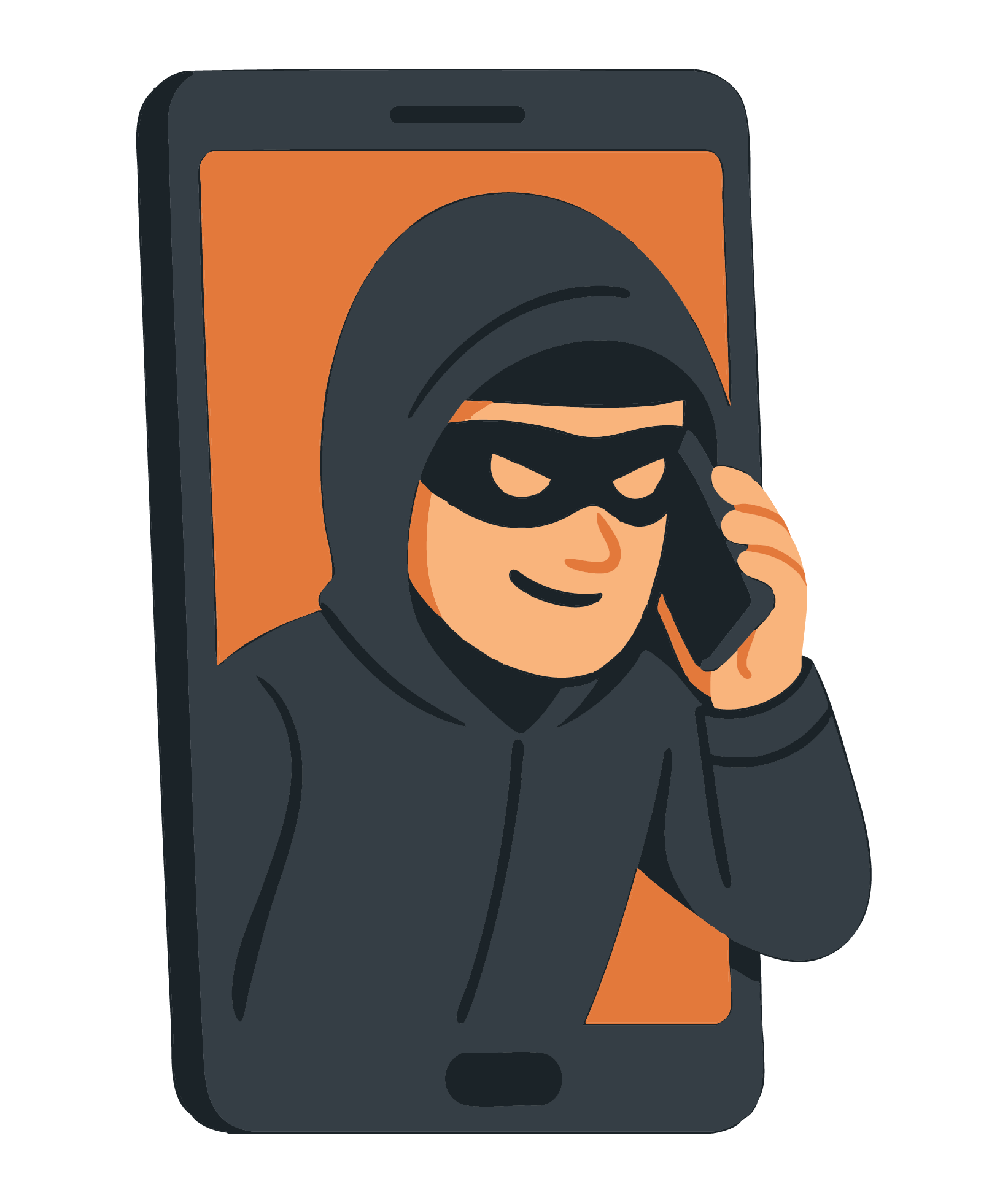 | Step One The Set Up The scammer contacts the victim through an unsolicited phone call, email, text, or social media message, claiming to be a trustworthy figure or a government official. Warning sign: The message is unexpected and asks you to trust someone you did not contact first. |
| 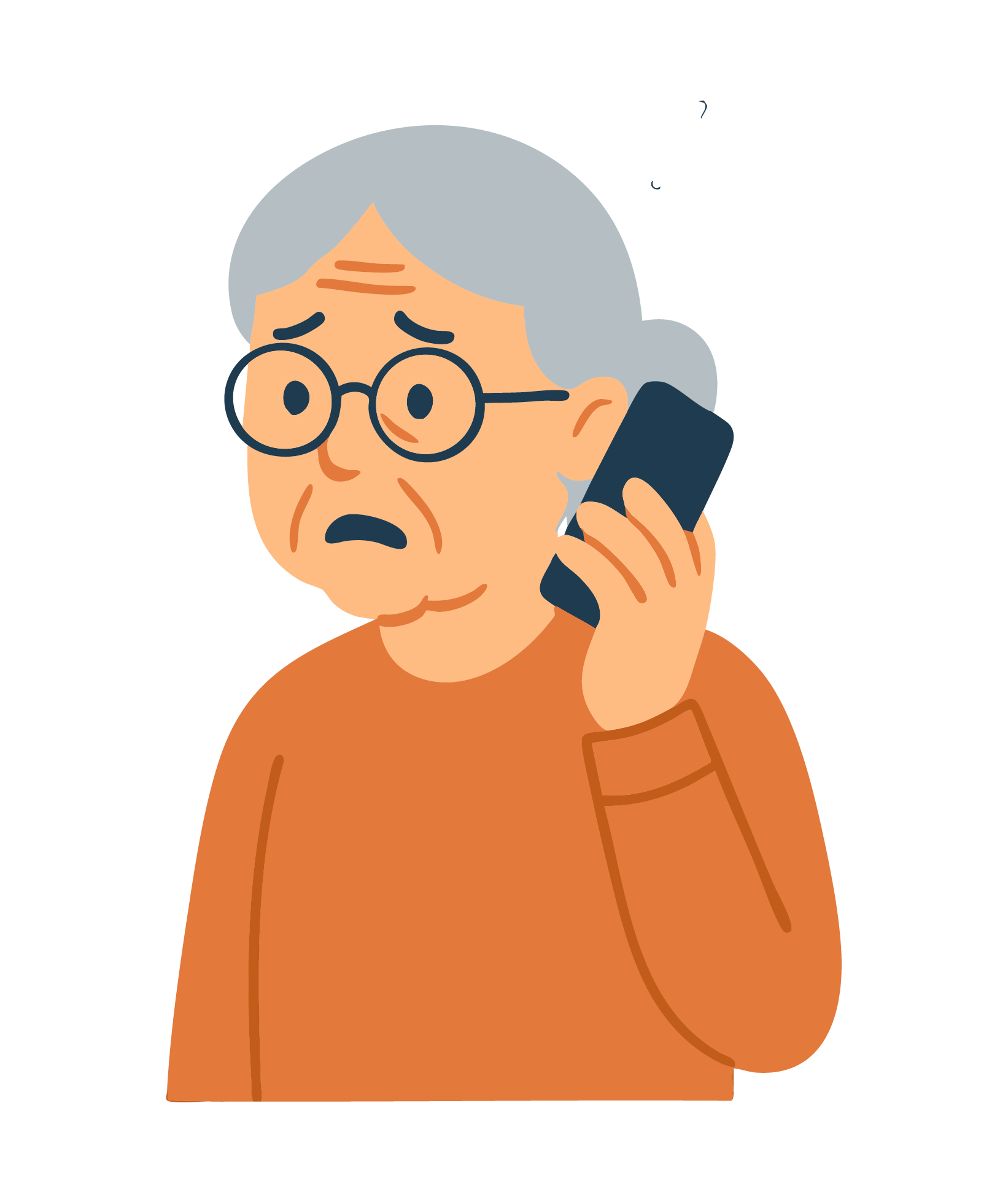 | Step Two The Pressure The scammer warns of immediate danger or serious consequences unless the victim purchases gift cards and provides the card numbers and PINs as payment for a fake debt. Warning sign: Scammers use fear, urgency, and threats to make you act before you think. |
|  | Step Three The Purchase The victim purchases the requested gift cards. Warning sign: No real government agency, police department, utility company, or legitimate business will demand payment with gift cards. |
| 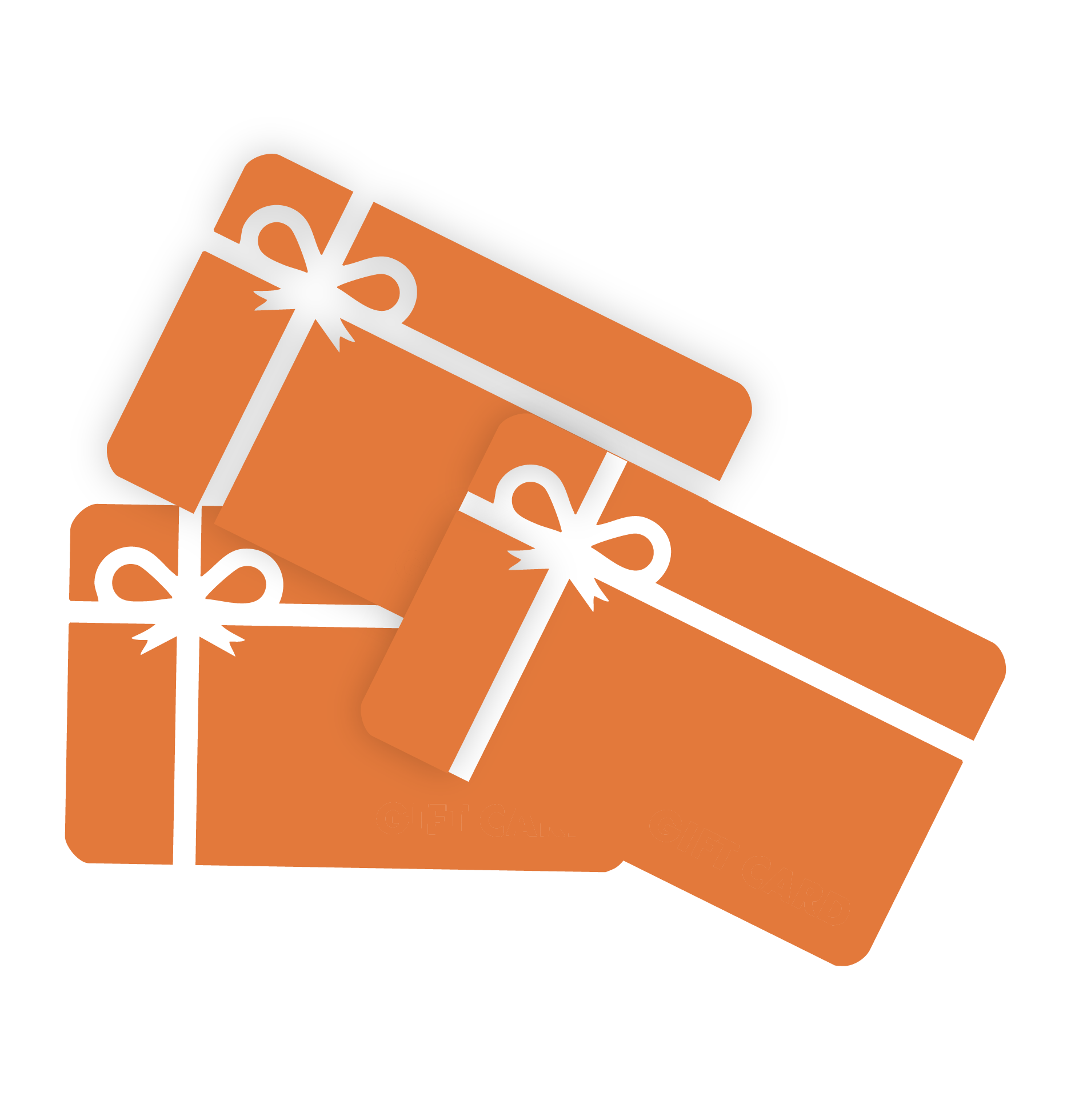 | Step Four The Handoff The victim shares the card numbers and PINs with the scammer. Warning sign: Anyone asking you to read, text, email, or photograph gift card numbers is trying to steal the money. |
| 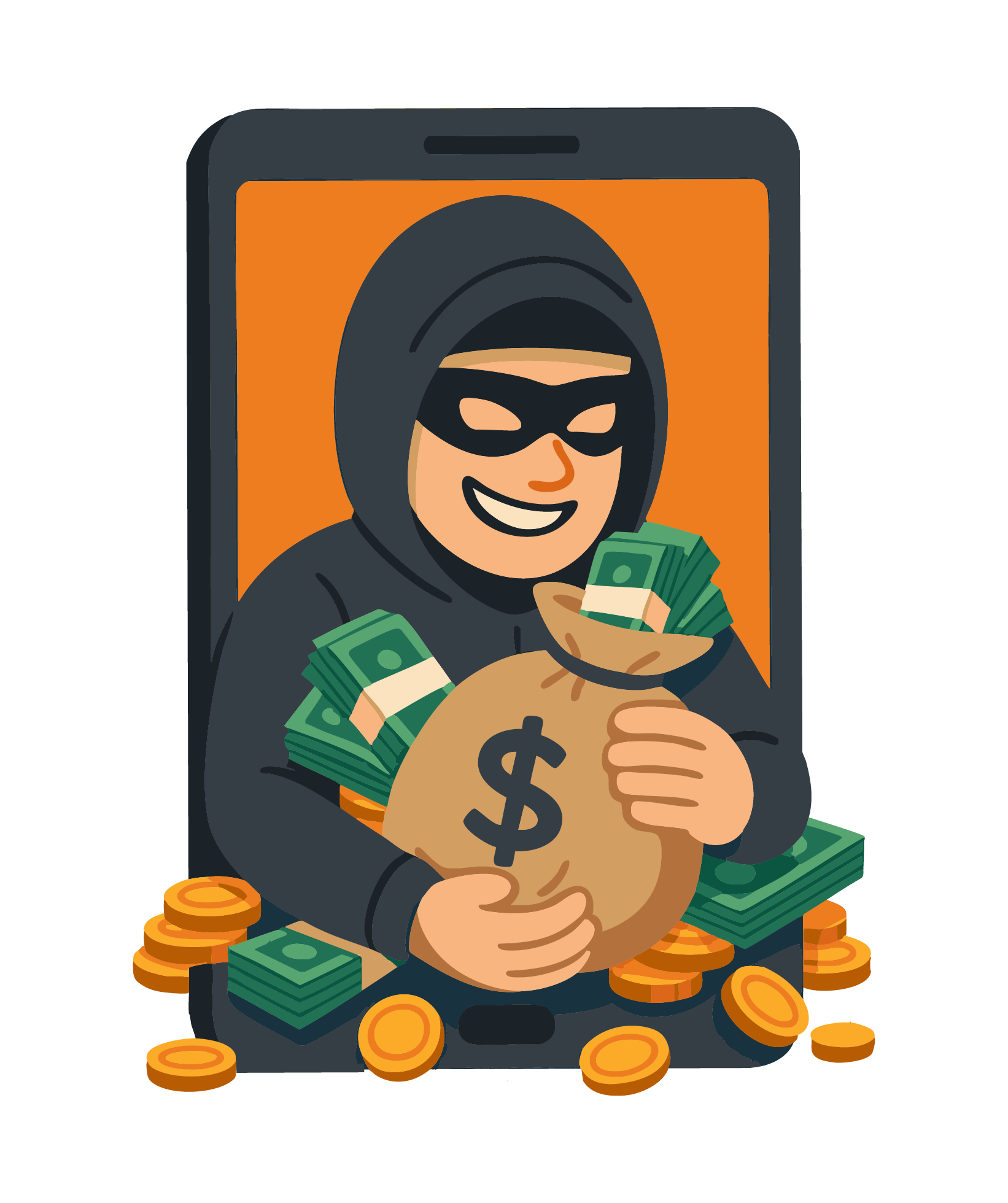 | Step Five The Payoff The scammer uses or sells the gift cards, and your money is gone. Act fast: Save your receipt and packaging, contact the gift card company, and report the scam as soon as possible. |
| Important Reminder No legitimate business or government agency will ever demand you fix a problem or pay a debt by purchasing gift cards. If someone claims to be a friend or family member, contact that person directly to confirm the situation. Gift cards are for gifts, not for payments of taxes, bills, fees or bail! Never give an unknown person access to gift card numbers and PINs. |
|
|
|